Are you intrigued by the current wellness trend, Magic Mushroom Chocolate Bars? These unconventional treats, known for their potential hallucinogenic effects, have rapidly become a phenomenon in the sweets and confections industry.
Best Buy Link is Here :- https://www.chocolatmagique.com/shop/p/prenium-dark-magic-mushrooms-artisan-chocolate
Through this article, we aim to delve into the sudden popularity of these captivating choco bars infused with psilocybin sporeswhile addressing safety concerns and legal issues associated with them.
Get ready to unwrap the facts about this enticing yet controversial piece of confectionery!
Key Takeaways
- Magic Mushroom Chocolate Bars are rapidly gaining popularity in the sweets and confections industry.
- There is a growing concern about the accessibility of these treats to unsuspecting children, who may not realize their hallucinogenic effects.
- The controversy surrounding Magic Mushroom Chocolate Bars includes concerns about addiction, alternative forms of consumption, and legal and ethical considerations.
The Rise of Magic Mushroom Chocolate Bars
Magic Mushroom Chocolate Bars have experienced a significant surge in popularity and availability, becoming a trendy choice for those seeking hallucinogenic experiences.
Growing popularity and availability
Magic Mushroom Chocolate Bars are quickly becoming the talk of the town. This unusual fusion of cacao and hallucinogenic fungi is not just a fad but an emerging trend in wellness and confectionery circles.
Cultists tout them as a sweet path to self-discovery, leading their popularity to skyrocket across the country. With advanced cultivation techniques for psychedelic mushrooms and more artisanal chocolatiers experimenting, these trippy treats are now easier to find than ever before.
Even smoke shops have begun stocking up on enchanted mushroom chocolate bars amongst their product range due to increased demand. However, this growth in availability brings with it critical concerns about accessibility for unsuspecting consumers, particularly children.
Risks to unsuspecting kids
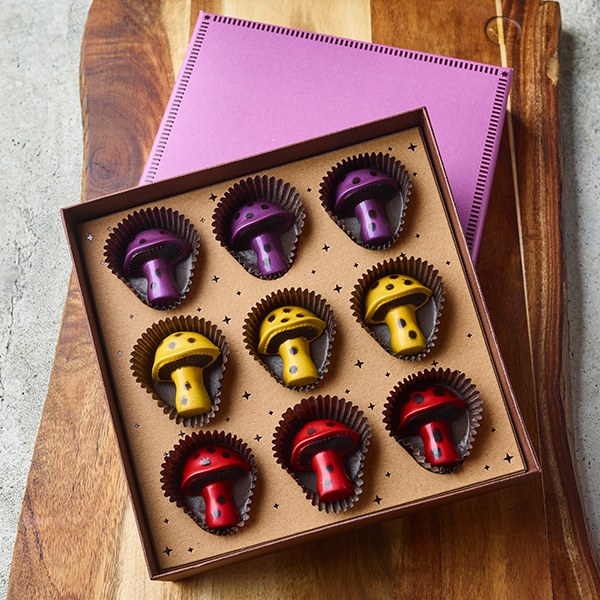
Kids who come across magic mushroom chocolate bars pose a significant risk to their well-being. These treats, with their enchanting appearance and appealing flavors, can easily attract children without them realizing the hallucinogenic effects they contain.
The danger lies in the fact that unsuspecting kids may consume these psychedelic chocolates without understanding the potential consequences. It is crucial for parents and caregivers to be aware of this growing trend and take necessary precautions to protect children from accidentally ingesting these mind-altering substances disguised as innocent confections.
Vigilance is key in safeguarding our young ones from the potential dangers of these mushroom-infused chocolate treats.
The Controversy Surrounding Magic Mushroom Chocolate Bars
Magic Mushroom Chocolate Bars have sparked controversy due to concerns over potential addiction, alternative forms of consumption, and legal and ethical considerations.
Potential for addiction
Magic mushroom chocolate bars pose a potential for addiction due to the psychoactive compound called psilocybin found in psychedelic mushrooms. These compounds can create hallucinogenic effects and alter perception, leading some individuals to develop a dependence on them.
While there are alternative forms of consumption available, such as drinking mushroom-infused beverages or taking mushroom pills, the convenience and delicious taste of these chocolate bars make them particularly appealing to users.
The addictive nature of these mind-altering treats raises concerns about the potential long-term consequences and addiction risks associated with their use.
Alternative forms of consumption
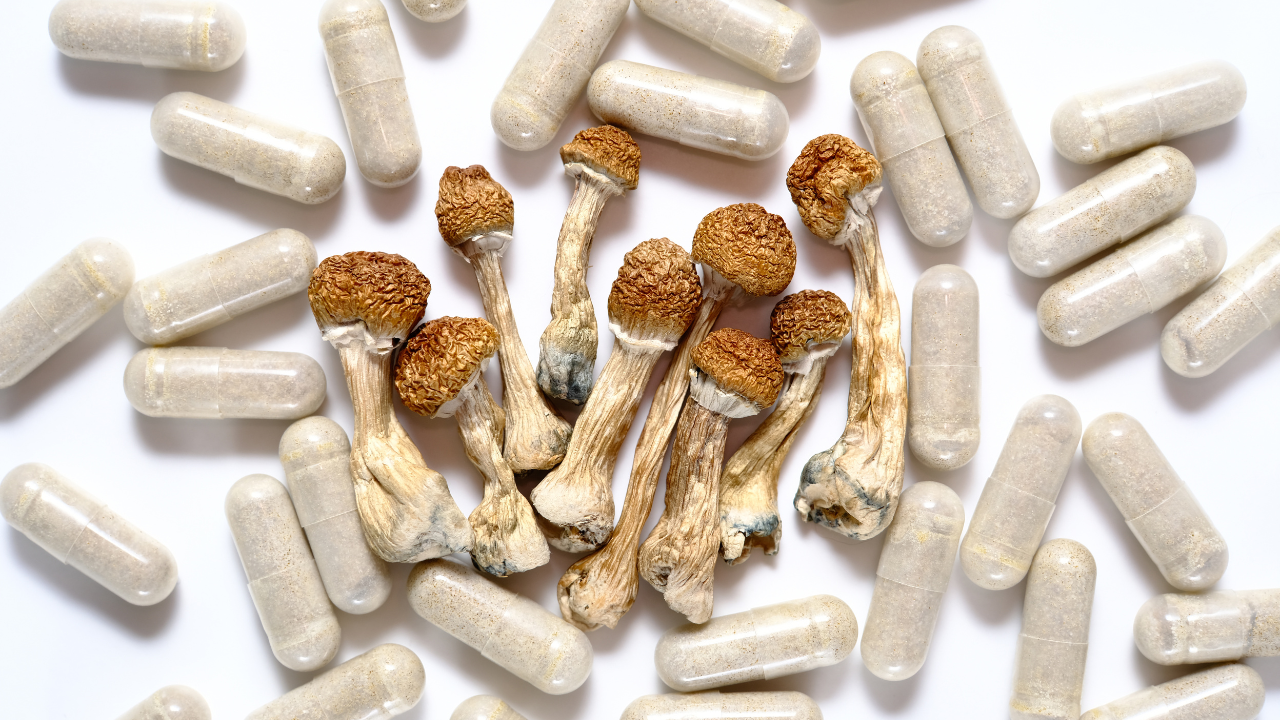
People have found various alternative ways to consume magic mushrooms besides the traditional method of eating them. Some individuals choose to grind the mushrooms into a powder and mix it with other food or beverages, such as smoothies or tea.
Others prefer to make mushroom capsules by placing the powdered mushrooms into empty pill casings. These alternative forms of consumption are believed to provide a more controlled and consistent dosage compared to consuming raw mushrooms.
However, it is important for users to exercise caution and be aware of the potential risks associated with these alternative methods of ingestion.
Legal and ethical concerns
Legal and ethical concerns arise when it comes to the use of magic mushroom chocolate bars. The legality of psilocybin, the active ingredient in these treats, varies by jurisdiction.
In some places, it is considered a controlled substance and its possession or distribution can result in criminal charges. This raises questions about the production and sale of these products, as they may fall into a legal grey area.
Additionally, there are ethical considerations surrounding the consumption of hallucinogenic substances in general. Some argue that using psychedelic drugs recreationally can be irresponsible and potentially lead to addiction or other negative consequences.
Conclusion
Magic Mushroom Chocolate Bars are quickly gaining popularity and becoming a trendy treat. However, it is important to be aware of the potential risks, especially for unsuspecting kids who may mistake them for ordinary chocolates.
The controversy surrounding these bars raises concerns about addiction, alternative forms of consumption, and legal and ethical issues. It’s crucial that we approach this trend with caution and educate ourselves about the potential consequences.
FAQs
1. What are Magic Mushroom Chocolate Bars?
Magic Mushroom Chocolate Bars, also known as Psychedelic chocolates or shroom-infused chocolate bars, are treats made with fungi and cacao that have mind-altering effects.
2. Where can I find these trippy mushroom chocolates?
These psychedelic fungi chocolates are often found in greymarket psilocybin stores or smoke shops selling similar products.
3. Are there legal issues for businesses selling Magic Mushroom Chocolate Bars?
Yes! Currently, most places consider the sale of hallucinogenic chocolate treats like these a form of drug dealing which has implications for child endangerment because they can be mistaken for regular candies by kids.
4. Do people use magic mushrooms just to get high?
While some drug users consume magic mushroom-infused lasagnas or chocolate bars purely for recreation, others believe in their shamanic properties and use them as part of spiritual rituals.
5. Can you overdose on magical fungus-infused chocolates?
Overdoses on Psychedelic fungi chocolates are rare but possible if consumed irresponsibly due to the potent compounds found in the mushrooms used.